The Lines That Quietly Guide Every Driver
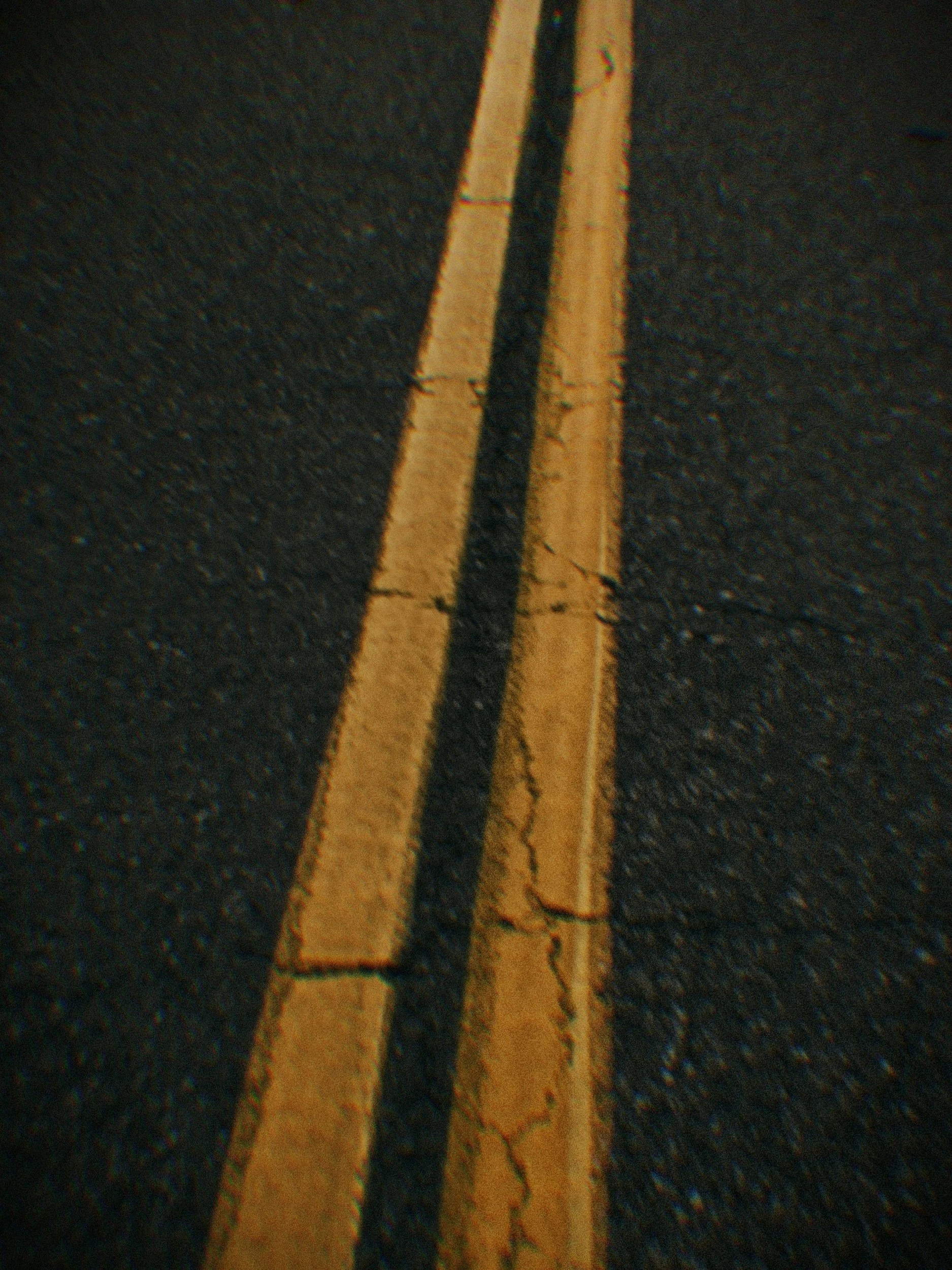
Yellow lines.
You see them every day.
They run down the center of highways, suburban streets, and rural roads. Sometimes they’re solid. Sometimes dashed. Sometimes doubled.
They’re yellow lines, and they silently guide millions of drivers every single day.
But roadways weren’t always marked this way.
For decades, drivers navigated roads with no painted center lines at all. And the change that led to today’s system began with one tragic moment—and one determined man who decided roads needed to be safer.
So why are road lines yellow?
The answer begins in the early days of the automobile.
When Roads Had No Lines
In the early 1900s, automobiles were still new. Roads were narrow, poorly paved, and often shared with horses, wagons, and pedestrians.
Traffic rules were minimal.
Most roads did not have lane markings. Drivers simply stayed to the right and hoped oncoming traffic did the same.
As car ownership exploded in the 1920s, accidents increased dramatically. With faster vehicles and more crowded roads, it became clear that drivers needed better visual guidance.
That’s when the first painted road lines began appearing.
The Tragedy That Changed Road Safety
One of the most important figures in the history of road markings was Dr. June McCarroll, a physician in California.
In 1917, she was driving along a narrow highway when a truck forced her off the road.
The experience convinced her that roads needed a painted center line to keep drivers separated.
Dr. McCarroll began campaigning for the idea. She wrote letters to officials and eventually helped organize local women’s groups to pressure the state government.
Their efforts succeeded.
In the early 1920s, California began painting center lines on roads—one of the first large-scale uses of lane markings in the United States.
Soon, other states followed.
Why Yellow Became the Standard
Early road lines were usually white.
But as traffic systems became more complex, engineers needed a clearer way to distinguish between different types of lanes.
In the 1950s and 1960s, traffic experts began studying which colors drivers noticed fastest and most reliably.
Yellow proved especially effective for marking the center of the road, where drivers needed the strongest warning about oncoming traffic.
Eventually, transportation agencies adopted a consistent system:
Yellow lines separate traffic moving in opposite directions
White lines separate traffic moving in the same direction
This color-coding helps drivers quickly understand the road layout—even at high speeds.
What Different Yellow Lines Mean
Not all yellow lines mean the same thing.
The type of yellow line tells drivers what they can and cannot do.
Broken yellow line
You may pass when it’s safe.
Solid yellow line
Passing is discouraged or restricted.
Double solid yellow lines
Passing is prohibited because the road conditions are too dangerous.
Solid line paired with broken line
Passing is allowed only from the side with the broken line.
These simple patterns communicate important rules instantly—without requiring drivers to read signs.
The Technology Behind Modern Road Markings
Today’s road markings are more advanced than simple paint.
Many highways use thermoplastic materials that are melted onto the road surface. These markings last longer and resist wear from traffic.
They also contain tiny reflective glass beads.
When headlights hit the beads at night, they reflect light back toward the driver, making the lines glow brightly.
That’s why lane markings seem to shine during nighttime driving.
It’s a small detail that dramatically improves safety.
A Simple Idea That Saves Lives
The yellow lines on roads are so familiar that we rarely think about them.
But they represent more than just paint.
They are part of a system carefully designed to guide traffic, reduce confusion, and prevent collisions.
A single stripe down the middle of the road can mean the difference between order and chaos.
And it all began with one doctor who realized that drivers needed a clearer path forward.
Look Closer at the Things Around Us
Everyday objects often hide remarkable stories.
The yellow lines on roads tell a story of innovation, safety, and the evolution of modern transportation.
They remind us that even the simplest features of our world are often the result of thoughtful design.
If you enjoy discovering the surprising history behind everyday objects, explore more episodes of The Things Around Us, a podcast that uncovers the fascinating stories behind the ordinary things we see every day.