The Everyday Object You Probably Never Notice
Listen Here.
Walk down almost any street in America and you’ll see them—heavy metal discs embedded in the pavement. We step over them without thinking. Cars drive over them every day.
They’re manhole covers.
But here’s the strange thing: almost every one of them is perfectly round.
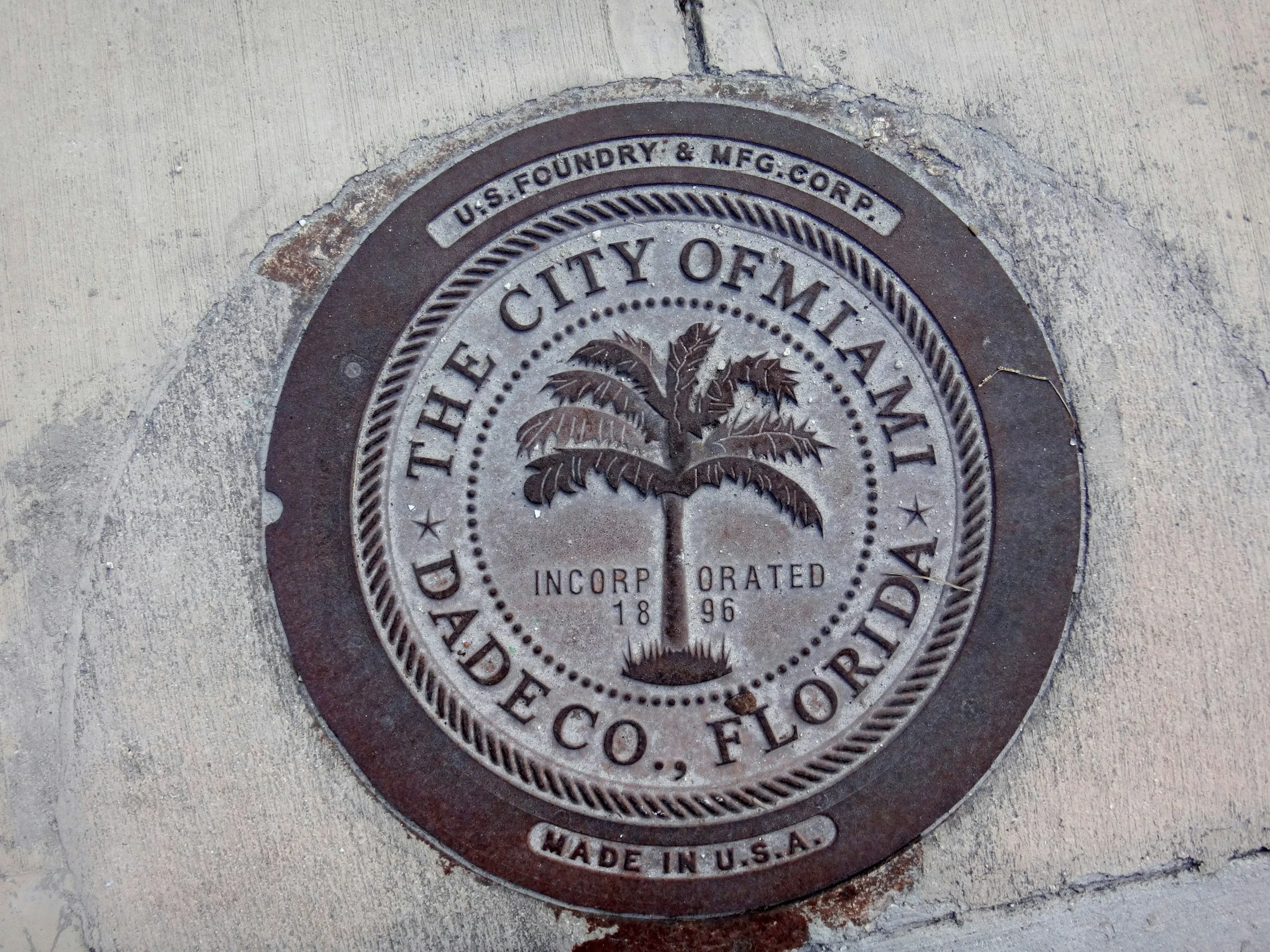
Manhole Cover in Florida
Cities around the world use the same design. And it’s not an accident.
In fact, the round manhole cover is one of the simplest and smartest pieces of engineering hiding in plain sight.
So the question is simple:
Why are manhole covers round?
The answer combines physics, safety, manufacturing, and a bit of history.
The Main Reason: A Round Cover Can’t Fall In
The biggest reason manhole covers are round is surprisingly simple.
A round cover cannot fall through its own hole.
No matter how you turn it, rotate it, or tilt it, the diameter of the cover is always wider than the opening.
With square or rectangular covers, that’s not true. If you turn a square cover diagonally, it could slip through the opening.
That would be a disaster.
Manhole covers often weigh 100 to 250 pounds and protect openings that lead directly into sewer systems, electrical tunnels, or utility shafts. If a cover fell in, it could leave a dangerous open hole in the street.
Round covers eliminate that risk entirely.
It’s a perfect example of simple geometry solving a real-world problem.
Round Covers Are Easier for Workers to Move
There’s another practical benefit: round covers can roll.
A typical cast-iron manhole cover is extremely heavy. Lifting and carrying one would require significant effort and could easily cause injuries.
But when it’s round, workers can tilt it onto its edge and roll it along the ground.
This makes maintenance crews’ jobs much easier when they need to access underground utilities.
It’s a small design choice that saves time, energy, and strain.
Manufacturing Round Covers Is More Efficient
Round shapes also make manufacturing simpler.
Most manhole covers are made from cast iron. Molten iron is poured into molds and allowed to cool.
Round molds distribute stress evenly and cool more consistently than shapes with sharp corners. This reduces the chances of weak points or cracks.
In addition, circular designs are easier to standardize across cities, which helps with replacement and maintenance.
In other words, round covers are stronger, more reliable, and easier to produce.
They Sit More Securely in the Street
Roads expand and contract with temperature changes. Traffic constantly vibrates the pavement.
Round covers handle these forces better.
Because they have no corners, the pressure from vehicles is distributed evenly across the entire edge. That makes them less likely to shift, jam, or break.
It also helps prevent the annoying clanking sound you sometimes hear when a loose cover moves under traffic.
Cities want infrastructure that lasts decades, and the circular design helps achieve that.
Not Every Manhole Cover Is Round
Interestingly, not all of them are.
Some utility covers are square or rectangular, especially when covering electrical boxes or smaller access panels.
But for deep shafts and sewer access, round covers dominate because they offer the safest and most reliable design.
Engineers have experimented with different shapes over time, but the circular design keeps winning.
Sometimes the simplest solution is still the best one.
A Small Piece of Brilliant Engineering
The next time you’re walking through a city, take a look down.
That heavy iron circle beneath your feet represents more than just a lid.
It’s a clever piece of engineering that solves multiple problems at once:
It can’t fall into the hole
It’s easier to move
It’s stronger and more durable
It’s simpler to manufacture
It handles traffic pressure better
All of that from a shape we learned about in elementary school.
Not bad for something most of us never even notice.
Look Closer at the Things Around Us
Everyday objects have stories hidden inside them—stories of invention, engineering, and human ingenuity.
Manhole covers are just one example.
If you enjoy discovering the fascinating history behind ordinary things, check out The Things Around Us, a podcast exploring the surprising stories behind everyday objects—from mile markers to paper clips to the systems that quietly shape our daily lives.
Because sometimes the most interesting stories are right beneath our feet.